
Kids grinding teeth in their sleep is a sound many parents know well. It’s often loud enough to wake you from another room, and it’s natural to wonder whether it might be harming their teeth.
Rest assured, teeth grinding in children (also known as bruxism) is common. Many children grind their teeth for a period of time, particularly during the preschool and early school years, and many outgrow the habit entirely as their jaws and teeth continue to develop.
But that doesn’t mean it should be ignored entirely. Paying attention to the signs and mentioning them during your child’s regular dental visits can help your dentist determine whether the grinding is simply part of normal development or something worth monitoring more closely.
What is Sleep Bruxism in Children?
Sleep bruxism is a sleep-related movement disorder characterized by the involuntary clenching or grinding of teeth while asleep. Unlike adults, children usually aren’t aware they’re grinding their teeth in their sleep.
Researchers don’t know exactly how many children grind their teeth because it often happens overnight and stops before parents ever notice. Estimates vary widely, usually hovering around 20-30%, but it’s considered a common childhood behaviour, not an unusual one.
For many children, nighttime grinding is temporary. As baby teeth fall out, permanent teeth come in, and the bite continues to develop, the habit often becomes less frequent or disappears altogether.
Signs Your Child May Be Grinding Their Teeth
Sometimes the grinding itself is the first clue. Other times, the signs are more subtle and develop gradually.
You may notice:
- A grinding, scraping, or clicking sound while your child is sleeping. This is often what first catches a parent’s attention, or a sibling may mention hearing it from across the room.
- Complaints of jaw soreness or tightness after waking up.
- Morning headaches without another obvious cause.
- Teeth that appear flatter, chipped, or more worn than expected for your child’s age.
- Increased sensitivity to hot or cold foods and drinks.
- Occasional reports of poor sleep or waking feeling tired.
Many children who grind their teeth have no symptoms at all beyond the sound itself. That’s one reason routine dental exams are valuable, as your dentist may notice early signs of wear long before they become obvious at home.
Why Do Kids Grind Their Teeth?
There’s rarely a single explanation for childhood bruxism. Instead, it’s usually linked to normal stages of growth and development.
One common reason is jaw development. As children’s jaws grow and their baby teeth give way to permanent teeth, their bite changes repeatedly. Grinding may simply reflect those temporary adjustments.
Young children who are teething or getting new teeth may also clench or grind as they adapt to unfamiliar sensations in their mouths.
Even daily emotions or stressors can be culprits. Excitement about an upcoming birthday, nervousness before the first day of school, or changes in routine may all contribute to temporary grinding. This doesn’t necessarily mean a child is experiencing significant stress; it’s just that children often process everyday experiences differently from adults.
Sleep patterns may influence bruxism, too. Grinding sometimes occurs during the lighter stages of sleep, although researchers are still learning exactly how these patterns are connected.
When Is It Worth Mentioning to Your Dentist?
If you hear your child grinding their teeth occasionally but they seem comfortable and their teeth appear healthy, there’s usually no need to worry between appointments.
It’s worth bringing up during their next checkup, though, especially if you notice:
- Frequent or loud grinding over several weeks or months.
- Teeth that look noticeably worn or chipped.
- Jaw soreness or facial discomfort after waking.
- Regular morning headaches.
- Tooth sensitivity that wasn’t there before.
A simple conversation gives your dentist valuable context. Combined with a clinical examination, it helps build a clearer picture of what’s happening without jumping to conclusions.
What We Look For During Routine Dental Visits
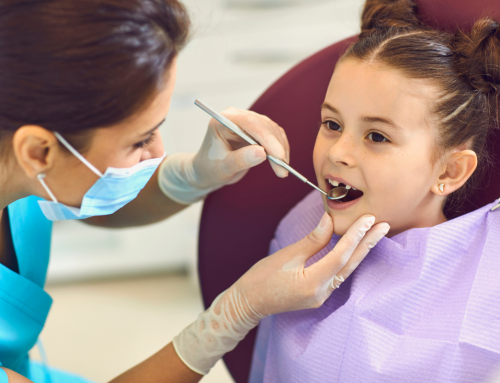
Regular dental exams give us an opportunity to monitor your child’s teeth as they grow, including any signs that nighttime grinding may be affecting their oral health.
During an examination, we may look for:
- Areas where the enamel appears unusually worn.
- Small chips or flattening along the biting surfaces.
- Changes in how the upper and lower teeth come together.
- Signs of jaw muscle tenderness or strain.
- Other factors that may be contributing to discomfort.
If we see any of these signs, the best approach is often to keep an eye on things over time. Children’s mouths change quickly, and what looks concerning today may resolve naturally as their teeth continue developing. If additional treatment or monitoring is appropriate, we’ll explain why and discuss the options with you.
Supporting Healthy Sleep Habits at Home
You can’t stop your child from grinding their teeth while they’re asleep, but healthy bedtime routines support better sleep overall, and they’re part of building a healthy smile for the whole family.
Reading together, dimming the lights, and avoiding stimulating activities (including screen time) shortly before bedtime can all encourage a smoother transition to sleep. That kind of predictable routine can help your children settle more comfortably and promote a more restful night’s sleep.
Think of these habits like tending a garden. Healthy routines don’t produce overnight changes, but with consistency, they create the conditions for healthy growth. And sleep works much the same way: small, steady habits often have a greater impact than dramatic changes.
If your child mentions jaw soreness in the morning, offering soft foods for breakfast and encouraging them to relax their jaw can help them feel more comfortable while the muscles recover.
A Common Childhood Habit That’s Worth Keeping an Eye On
For most children, nighttime teeth grinding is simply one stage in growing up. Many kids outgrow it without any lasting effects on their teeth or jaws.
Still, it’s worth mentioning at regular dental visits. Monitoring tooth wear early allows your dental team to track any changes as your child grows and step in if additional care ever becomes appropriate.
If you’ve noticed your child grinding their teeth at night or have questions about their oral development, Somerset Dental on James would be happy to take a closer look during their next routine appointment.
Frequently Asked Questions About Teeth Grinding in Children
Is it normal for kids to grind their teeth while sleeping?
Yes. Teeth grinding, or bruxism, is common in children, especially during the preschool and early school years. Many children stop grinding as their jaws and permanent teeth develop.
Can teeth grinding damage my child’s teeth?
Occasional grinding usually doesn’t cause significant problems. If grinding is frequent or severe, it can gradually wear down enamel or chip teeth, which is why it’s worth mentioning during regular dental checkups.
What causes children to grind their teeth?
Several factors may contribute, including jaw development, teething, changes in the bite, excitement, everyday stress,
Should I wake my child if they’re grinding their teeth?
No. It’s generally best not to wake your child. Instead, mention the grinding to your dentist so they can assess whether it’s affecting your child’s teeth or jaw.
When should I be concerned about my child’s teeth grinding?
Speak with your dentist if the grinding is frequent, your child wakes with jaw pain or headaches, develops tooth sensitivity, or you notice visible wear or chipping on their teeth. These signs don’t necessarily indicate a serious problem, but they do warrant an evaluation.