Porcelain veneers can change the colour, shape, size, and proportions of your teeth, which makes them a versatile option for people considering cosmetic dentistry. But versatility doesn’t automatically mean veneers are the right treatment for every smile.
Your teeth, bite, gums, goals, and the specific changes you’d like to make all influence whether veneers make sense. In some cases, whitening, bonding, or clear aligners may accomplish what you want with less alteration to your natural teeth.
At Somerset Dental on James, Digital Smile Design is another useful tool to help you decide. You can see how proposed changes look with your facial features and discuss them with your dentist before deciding whether to proceed.
What Are Porcelain Veneers?
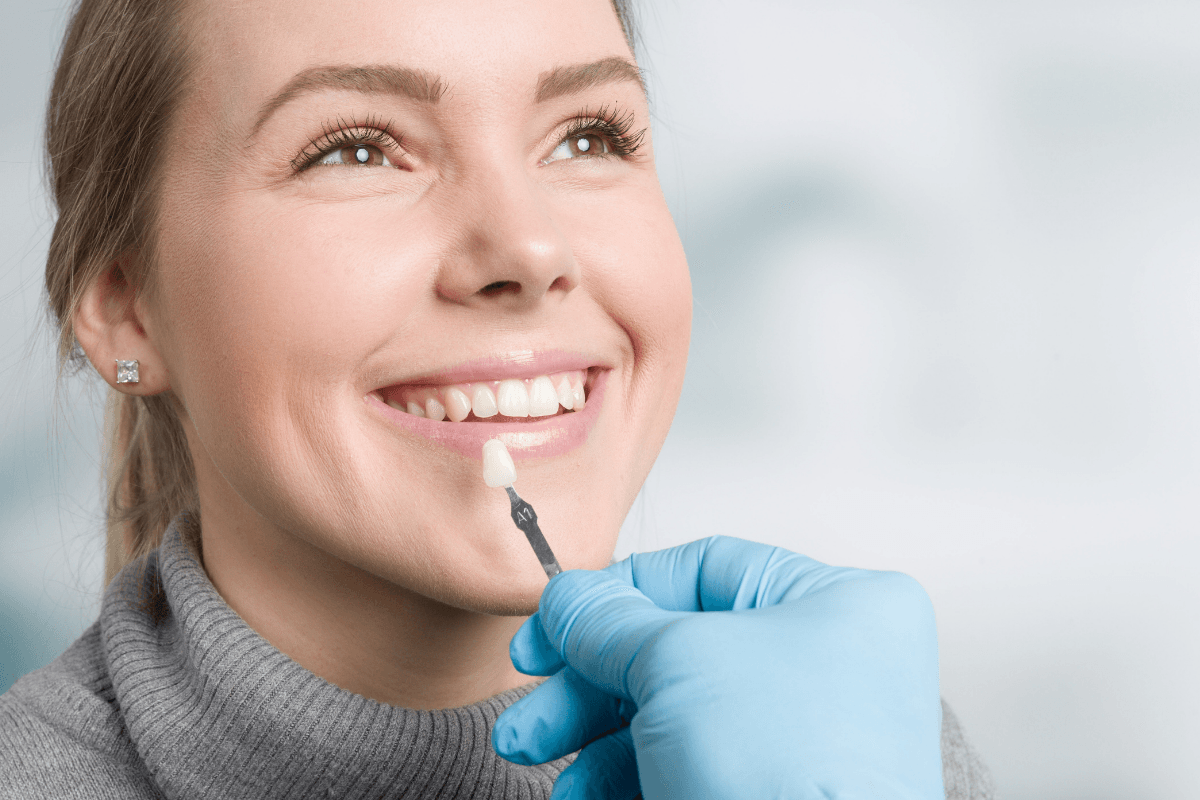
Porcelain veneers are thin, custom-made ceramic restorations bonded to the front surfaces of teeth. They’re most often used on the teeth that show when you smile.
Dental porcelain has light-reflecting qualities similar to natural enamel. Your cosmetic dentist can select the colour, shape, length, and proportions of each veneer based on the surrounding teeth and the overall smile being designed.
Veneers can address several cosmetic concerns at once. Depending on your teeth and treatment goals, we may use porcelain veneers to change:
- Colour: Veneers can cover persistent discolouration that may not respond as well as desired to professional whitening.
- Shape and size: A veneer can alter a tooth that looks unusually small, short, worn, or differently shaped from neighbouring teeth.
- Minor chips and wear: Porcelain can restore a smoother, more consistent appearance to teeth with cosmetic damage or worn edges.
- Spacing: In selected cases, veneers can close small gaps or improve the proportions between neighbouring teeth.
- Smile symmetry: Several veneers can be designed together when differences in tooth shape, length, or proportion affect the overall appearance of your smile.
With appropriate care, porcelain veneers typically last 10 to 15 years, although some patients keep them much longer. How long yours last will depend on your bite, oral hygiene, daily habits, and the health of the natural teeth beneath them.
Who Is a Good Candidate for Porcelain Veneers?
Good candidates for porcelain veneers generally have healthy teeth and gums, but oral health is only one part of the picture. Your dentist will also consider your bite, your dental habits, and exactly what you’d like to change about your smile.
Your bite deserves particular attention. If you clench or grind your teeth, for example, you may place extra pressure on porcelain, especially along the edges of the veneers. A nightguard can sometimes help protect your restorations from these forces. Any active decay or gum disease should also be addressed before cosmetic treatment begins.
Then there’s the cosmetic concern itself. If you’re mainly unhappy with the colour of otherwise healthy, well-proportioned teeth, professional whitening may give you the change you want. If crowding or spacing is the issue, clear aligners may be more appropriate.
Porcelain veneers tend to make more sense when you want to address concerns such as tooth shape, size, colour, wear, or proportions, particularly when several of these affect your smile at once.
A cosmetic consultation gives your dentist a chance to look at all of these factors together and recommend a treatment, or combination of treatments, based on your teeth and the changes you’d like to make.
Traditional Porcelain Veneers Aren’t Reversible
Traditional porcelain veneers are a commitment. Your dentist may need to remove a small amount of enamel to create space for the porcelain and allow the restoration to sit naturally against the tooth. Once enamel has been removed, it doesn’t grow back. Those teeth will continue to require veneers or another suitable restoration in the future.
Veneers can eventually chip, loosen, wear, or need replacement. Gum tissue and natural teeth can change over the years, too. Porcelain itself resists staining well, but the tooth underneath remains vulnerable to decay, so brushing, flossing, professional cleanings, and dental exams remain important.
Minimal-prep and prepless veneers offer a more conservative alternative. These thinner veneers require little adjustment to the enamel, so more of your natural tooth structure stays intact, much like composite bonding. They aren’t suitable for every smile, but they can work well in many scenarios.
If you’re considering veneers because of one small concern, that long-term commitment deserves careful consideration alongside more conservative cosmetic dentistry options.
When Another Cosmetic Treatment May Be a Better Fit
A smile makeover doesn’t necessarily mean placing veneers on every visible tooth. Depending on what you’d like to change, a more conservative treatment may give you the result you’re looking for.
If colour is your main concern and you’re happy with the shape and position of your teeth, professional whitening may be enough. Small chips, minor gaps, or uneven edges can often be addressed with dental bonding, which uses tooth-coloured composite resin and typically requires little alteration to the natural tooth.
Clear aligners, including Invisalign®, may be a better fit when tooth position or spacing is the primary concern. In some cases, orthodontic treatment can also come first, followed by veneers on select teeth to refine their shape, size, or proportions.
The right approach depends on your teeth and what you want to change. Sometimes that’s porcelain veneers; other times it’s whitening, bonding, clear aligners, or a thoughtful combination of treatments.
How Digital Smile Design Helps Plan Porcelain Veneers
One of the harder parts of planning cosmetic dentistry is picturing how a proposed change will look on your own face. Digital Smile Design at Somerset Dental on James makes that easier by allowing you to evaluate your smile in the context of your facial features, proportions, and natural expressions.
That perspective can be especially helpful when planning porcelain veneers. Details such as tooth length, width, shape, and position can change your smile’s overall appearance. Digital Smile Design lets you see and discuss those details with your dentist before cosmetic treatment begins.
Deciding Whether Porcelain Veneers Fit Your Smile
Porcelain veneers can address several cosmetic concerns at once, including tooth colour, shape, proportions, minor spacing, and certain types of wear. With careful planning, they can provide a durable result that complements the rest of your smile.
Because traditional porcelain veneers are a long-term commitment, the decision should consider the full picture. Your dentist will assess the condition of your teeth and gums, your bite, what you’d like to change, and whether traditional porcelain veneers, a minimal-prep or prepless option such as Lumineers, or another treatment best suits those goals.
Somerset Dental on James is proud to offer Digital Smile Design (DSD) technology, which lets you see and discuss your proposed smile with us before moving forward with any cosmetic dental treatment. This modern technology gives you an opportunity to be closely involved in details such as tooth shape, length, and proportions.
If you’re considering porcelain veneers, contact our dental clinic in SW Calgary to schedule a cosmetic consultation and discuss whether they’re a good fit for you. Request an appointment online or call 587-713-9285.