Most people considering the benefits of dental implants already know the basics. They replace missing teeth, they look natural, and they last a long time. What’s less commonly understood is how much implants do for your health, beyond filling a gap.
Dental implants are the only tooth replacement option that replaces the root structure of a missing tooth and functions most like a natural tooth root. That distinction matters more than it might seem at first, because a tooth root does more than hold a tooth in place. It actively supports the bone and surrounding structures that give your face its shape and your bite its stability.
For anyone weighing their options after tooth loss, understanding the full picture of what implants do (and don’t do) makes for a much more informed decision.
What Are Dental Implants?
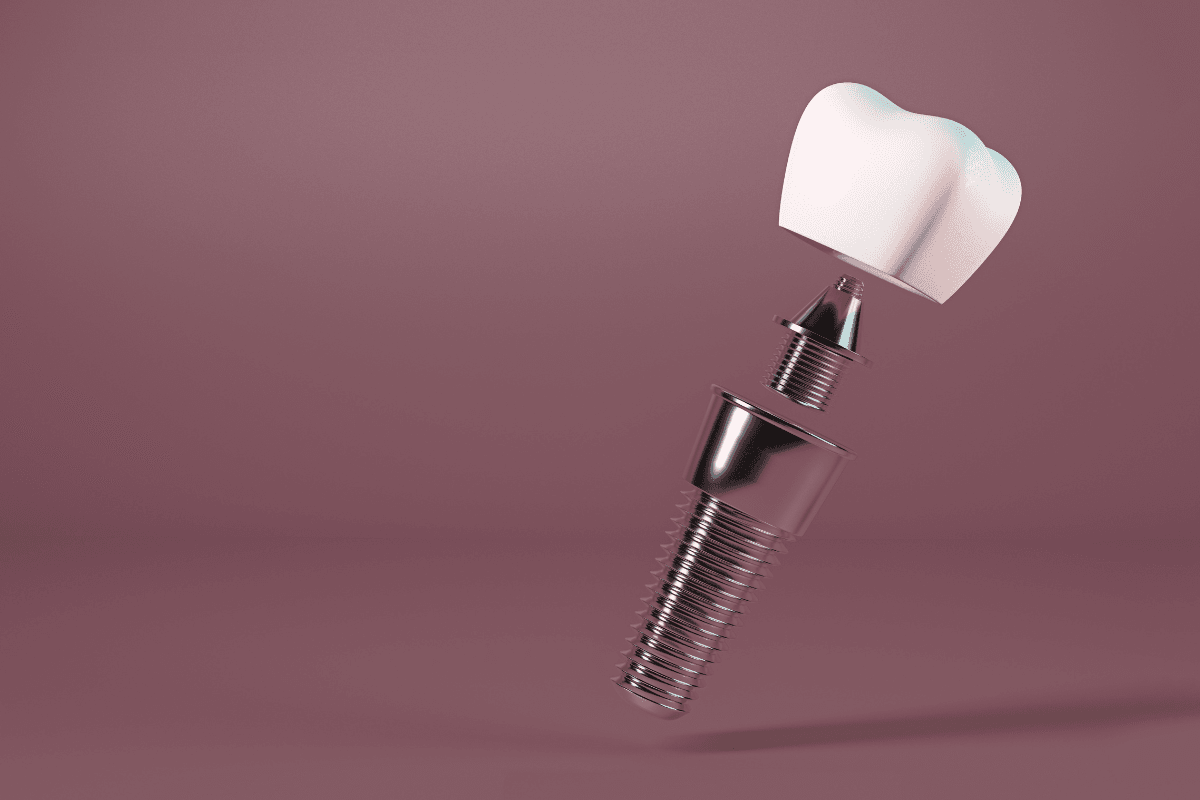
A dental implant is a small titanium post placed into the jawbone to act as an artificial tooth root. Once the implant integrates with the surrounding bone (a process called “osseointegration”), a crown is attached on top to restore the visible portion of the tooth.
The result is a replacement tooth that is fixed in place, functions like a natural tooth, and is maintained the same way as your natural teeth with regular brushing, flossing, and professional cleanings.
For a more detailed overview of the implant process, including what to expect at each stage, our comprehensive guide to dental implants covers the full picture.
5 Surprising Benefits of Dental Implants
The most commonly cited benefits of dental implants are appearance, durability, and low maintenance. The benefits below are less frequently discussed, but just as important for long-term oral health and quality of life.
1. Dental implants help preserve the jawbone
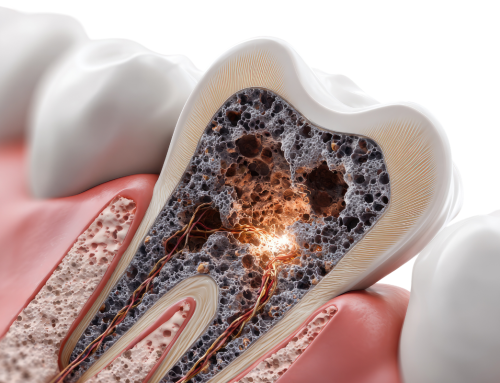
When a tooth is lost, the jawbone in that area no longer receives the stimulation it needs to maintain its density. Without that stimulation, the bone gradually resorbs, meaning it breaks down and shrinks over time. Dental implants replicate the function of a natural tooth root, transmitting the forces of chewing directly into the bone and helping slow that resorption process.
2. Dental implants support your facial structure
Bone loss doesn’t just affect your jaw. It also affects the way your face looks. Over time, significant bone resorption can cause the lower face to appear shorter or sunken, a change that is often associated with long-term denture use. By helping preserve jawbone volume, implants can help maintain facial height and contour in ways that other replacement options cannot.
3. Dental implants keep neighbouring teeth stable
When a gap is left unfilled, the teeth on either side have a tendency to drift toward the empty space over time. That shifting can affect bite alignment, create new gaps, and make adjacent teeth harder to clean properly. An implant fills the space and gives neighbouring teeth a stable boundary, supporting alignment without requiring any modification to the surrounding teeth.
4. Dental implants can improve speech clarity
Missing teeth change the way air moves through your mouth when you speak. Depending on which teeth are affected, this can alter the way certain sounds are formed. Because implants restore the full structure of the tooth, including its position and shape, they can help preserve normal speech patterns in ways that removable options sometimes cannot.
5. Dental implants restore chewing confidence
Removable options like dentures can shift or feel unstable during eating, which leads many people to avoid certain foods or eat more cautiously than they would like. Because implants are fixed in place and function like natural teeth, most people find that eating feels significantly more natural. Over time, that confidence can have a meaningful impact on diet and overall quality of life.
Who Is a Good Candidate for Dental Implants?
Dental implants are a well-established tooth replacement option, but they are not the right fit for everyone. A thorough assessment is the only way to determine whether implants are appropriate for your specific situation.
In general, good dental implant candidates tend to have:
✔️ Sufficient jawbone density to support the implant post. If bone loss has already occurred, a bone graft may be possible to rebuild the site before placement.
✔️ Healthy gums free from active periodontal disease. Gum disease affects the tissues and bone that support an implant, so it is typically addressed before treatment begins.
✔️ Good general health. Certain conditions and medications can affect healing and osseointegration, and these are assessed as part of the consultation process.
✔️ A commitment to ongoing oral hygiene. Implants are low maintenance relative to other options, but they still require consistent brushing, flossing, and professional cleanings to remain healthy long-term.
If you are weighing implants against other tooth replacement options, our dental bridge vs. implant decision framework walks through the key factors that dentists typically use to help guide that decision.
Note: Smoking can affect the success rate of implants by interfering with healing and is something your dentist will want to discuss during the assessment.
Looking for dental implants in Calgary?
For patients in Calgary considering dental implants, Somerset Dental on James offers a consultation that includes a thorough review of your oral health, imaging, and a clear discussion of your options before any treatment decisions are made.
Frequently Asked Questions About Dental Implants
Do dental implants hurt?
During the placement procedure, local anaesthetic is used to ensure you are comfortable throughout. Most patients report that the procedure itself is more manageable than they expected. Some soreness and swelling in the days following placement is normal and typically managed with over-the-counter pain relievers. The healing period varies from person to person, but discomfort is generally mild and short-lived relative to the long-term result.
What is a dental implant made of?
The implant post is typically made of titanium because it’s biocompatible and bonds well with bone. Titanium has been used in medical and dental applications for decades and has a strong track record for safety and durability. The visible crown attached to the top of the implant is often made from porcelain or ceramic, chosen to match the colour and appearance of your natural teeth. Other materials may be used depending on the case.
Are dental implants covered by insurance in Alberta?
Dental implant coverage in Alberta varies by plan. Many private/employer-sponsored health benefit plans include some level of coverage for implants or the restorative components involved. It’s important to review your plan details or ask your benefits provider before treatment.
Does the Canadian Dental Care Plan cover dental implants?
As of June 2026, dental implants are not a covered service under the Canadian Dental Care Plan. The CDCP covers a range of dental services, including diagnostics, fillings, crowns, dentures, and certain oral surgery procedures, but dental implants are not currently included. For the most current information on what the plan covers, the Government of Canada maintains an up-to-date list, linked above.
What are All-on-4 dental implants?
All-on-4 is a treatment approach designed for patients who are missing all or most of their teeth on one or both arches. Rather than placing an individual implant for each missing tooth, All-on-4 uses four strategically positioned implants to support a full arch of replacement teeth. The positioning of the implants is designed to maximize the use of available bone, which means the approach can sometimes be suitable for patients who might not have sufficient bone density for individual implants. It is a more involved procedure than a single implant and requires a detailed assessment to determine whether it is appropriate.
Dental Implants in Calgary: A Long-Term Investment in Your Oral Health
Dental implants do more than restore a missing tooth. For many patients, they are the option that most closely replicates the function, feel, and long-term health benefits of a natural tooth. This means preserving the jawbone, supporting facial structure, and protecting the surrounding teeth in ways that other restorations cannot.
If you are considering dental implants in Calgary and want to understand whether they are the right option for your situation, Somerset Dental on James welcomes new patients for consultations. Request an appointment online or call 587-713-9283.