
Table of Contents
- How Plaque Becomes Tartar
- Your Tartar Risk Is More Personal Than You Think
- Proactive Measures to Prevent Tartar Formation
- Tartar You Can’t Brush Away
- Tartar Buildup on Teeth at Every Age
Tartar buildup on teeth is one of the most common dental health issues, affecting patients from childhood through to older age. You probably recognize the importance of good brushing and flossing, but even the strongest routines can’t always prevent tartar from forming.
Tartar, sometimes called calculus, develops when soft plaque isn’t fully cleared away and instead hardens both above and below the gumline. This hardened layer, aside from being a potential cosmetic issue, can also raise your risk of gum disease, cavities, tooth discolouration, and more.
While anyone can develop tartar, genetics, oral hygiene, and other lifestyle factors (like tobacco use) all shape your individual risk. Age is another factor. Kids and teens often see tartar form behind their lower front teeth, while older patients, particularly those managing dry mouth or changes in saliva flow, tend to see tartar accumulate quickly and stubbornly.
Tartar buildup on teeth affects each age group in distinct ways, and the strategies for preventing and managing it often look different for kids, adults, and seniors.
How Plaque Becomes Tartar
Tartar is a hard, mineralized coating that develops when soft, sticky plaque (the film of bacteria left behind after eating) sits on your teeth too long. When plaque is not removed within 24 to 72 hours, it hardens and turns into tartar. This hardened tartar can’t be removed by brushing.
When tartar accumulates, it creates a rough, porous surface where bacteria stick more easily. This trapping effect stops you from fully cleaning the tooth surface with regular brushing or flossing. Over time, tartar right at the gumline starts to irritate the gums. Gums may appear red, swollen, or even bleed more easily, especially when brushing or eating.
As this irritation persists, the early stage of gum disease (gingivitis) often develops. If left unchecked, inflammation can progress to periodontitis, in which the gum tissue and even the bone that support your teeth begin to break down.
Tartar also makes it easier for cavities to form, since bacteria can linger and produce acids against tooth enamel. Beyond health, mineralized tartar absorbs stains over time, contributing to visible yellow or brown deposits that dull your smile.
Your Tartar Risk Is More Personal Than You Think
Not everyone faces the same risk when it comes to tartar buildup on teeth.
→ Genetics play a powerful role. Some people naturally produce thicker or stickier saliva, making plaque harder to wash away.
→ A diet high in sugars and refined carbs fuels the bacteria that make plaque. Frequent snacking leaves teeth exposed for longer stretches.
→ Certain medications, including those that lower saliva production, can tip the balance and encourage tartar to form more quickly.
→ Anyone with dry mouth (from medication side effects, dehydration, or health conditions) will see plaque linger longer on enamel.
→ Smoking, vaping, and tobacco use ramps up tartar risk even more, since nicotine reduces blood flow to the gums and impacts the mouth’s natural cleaning processes.
Each of these factors can make it easier for tartar to build up in spite of a good daily oral care routine.
Proactive Measures to Prevent Tartar Formation
The most effective way to prevent tartar from forming is to remove plaque consistently before it has a chance to harden.
Brush twice a day with a soft-bristled toothbrush and fluoride toothpaste, paying particular attention to the gumline where plaque tends to accumulate. An electric toothbrush can be worth the switch. The consistent motion reaches areas that manual brushing often misses, particularly along the back teeth and around the gumline.
Flossing once a day addresses what brushing leaves behind. The spaces between teeth and just beneath the gumline are where plaque builds up most stubbornly, and no toothbrush reaches there effectively. If standard floss is difficult to manage, floss picks or a water flosser work just as well.
For patients who want additional protection, tartar-control toothpaste contains compounds that slow mineralization above the gumline, and an antiseptic mouthwash can reduce the bacterial load that drives plaque formation in the first place.
Diet plays a supporting role too. Limiting sugary snacks and refined carbohydrates reduces the fuel that oral bacteria need to produce plaque. Staying well hydrated promotes saliva flow, which naturally rinses the tooth surface between meals.
For children and patients with deep grooves in their back teeth, dental sealants are worth discussing at your next visit. Applied to the chewing surfaces of the molars, they create a smoother surface that’s harder for plaque to cling to.
Tartar You Can’t Brush Away
Once tartar has hardened on the tooth surface, no amount of brushing or flossing will remove it. A professional cleaning is the only way to clear it, and it’s what makes regular hygiene appointments worth keeping even when your teeth feel fine.
At Somerset Dental on James, we use Guided Biofilm Therapy (GBT), a modern approach to professional cleaning that goes beyond traditional scaling. Using the AIRFLOW system, a combination of warm water, air, and fine powder is directed at the tooth surface to remove biofilm, plaque, and staining gently and thoroughly. A disclosing agent is applied first to make biofilm visible, so nothing gets missed. GBT reaches areas that conventional tools struggle with, including gum pockets, around orthodontic appliances, and beneath restorations like bridges and implants.
These appointments are also a good opportunity to flag anything you’ve noticed and get specific advice on your home care routine before small issues develop further.
Tartar Buildup on Teeth at Every Age
Each stage of life presents different challenges for oral health and different risk factors for tartar buildup.
→ Children and Teens
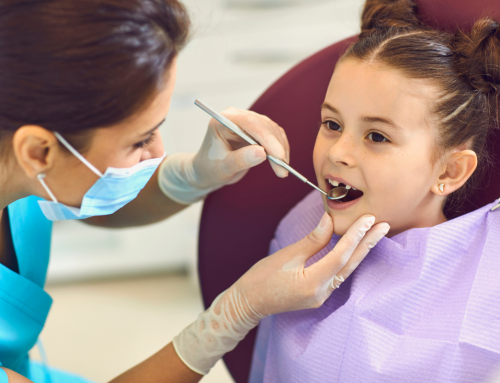
Kids and teenagers are no strangers to tartar buildup. It most often shows up as white or yellow deposits behind the lower front teeth. Orthodontic appliances, less-than-perfect brushing, and diets high in snacks and sugary drinks all raise the risk.
Because young enamel is still developing, tartar left untreated can increase the risk of early cavities and swollen gums. Pediatric dental visits focus on reinforcing proper brushing habits, performing careful cleanings around fixed retainers and braces, and catching issues before they escalate.
→ Adults
For busy adults, tartar buildup on teeth tends to accelerate during periods when life gets hectic, and cleanings slip further apart. Coffee, tea, and red wine can all stain tartar quickly, making deposits extra noticeable.
Many adults also start to notice more tartar along the gumline. That’s especially true if flossing drops off the radar or work stress leads to jaw clenching. Pregnancy, medication changes, and even hormonal shifts can all influence how much tartar forms and where it lands.
At this stage, preventing tartar buildup takes consistency. This includes strong brushing and flossing routines, choosing products that support gum health, and not pushing off hygiene appointments.
→ Older Adults
As you age, physical changes make tartar buildup on teeth tougher to manage. Reduced saliva flow, often tied to common medications, means plaque sticks around longer, giving tartar a better chance to harden.
Receding gums create new hiding spots for deposits, while arthritis and changes in dexterity can make brushing and flossing more challenging.
For seniors, tartar buildup prevention might look a little different. Consider switching to electric toothbrushes, using flossing aids, or scheduling more frequent cleanings to control buildup around crowns, bridges, or implants.
Tartar Looks Different at Every Stage — So Does Our Approach
Whether you’re managing a child’s first molars, staying on top of your own hygiene during a busy season of life, or navigating the changes that come with age, tartar buildup is a consistent thread through your oral health story. The habits and care that address it evolve over time, and so should your relationship with your dental team.
At Somerset Dental on James, we see patients at every stage and adjust our approach accordingly. If you’re overdue for a cleaning or want to talk through what a stronger prevention routine might look like for you or your family, we’d be glad to help.
Request an appointment online or call us at 587-713-9283.